I didn’t know I was in survival mode.
Because I was naive, naive to how bad it really was.
I didn’t know that long-term fear and chronic stress
could quietly dismantle a nervous system.
That the body keeps score
even when the mind insists everything’s fine.
I didn’t understand trauma.
And I definitely didn’t understand mental health.
I wasn’t raised in a home where feelings were felt.
Emotions were hidden, not processed.
Struggle was endured, not explored.
So I thought my anxiety was me being dramatic.
That my exhaustion meant I was lazy.
That people-pleasing was just kindness.
That hypervigilance meant I was “on top of things.”
But the truth?
My entire personality had become a collage of trauma responses.
Tired. On edge. Controlling. Disconnected.
Emotionally flatlined, unless I was with my kids.
The overgiving. The shrinking. The way I let people walk all over me.
I thought that was just me being “nice.”
Non-confrontational. Normal.
By the end, I wasn’t in denial.
I saw the patterns. The mask had slipped.
But I was desperately trying to keep things from getting worse.
I thought I was healing.
Becoming “strong enough” to leave.
But really, I was just making life look perfect
so he wouldn’t explode.
He exploded anyway.
And every time he did, my exit felt farther away, emotionally, financially, physically.
I started doubting myself.
I lost confidence that I could ever get out.
So instead, I focused on protecting my children the only way I knew how.
I did everything.
I managed every detail. I planned, scheduled, picked up the pieces, tiptoed around landmines.
I tried to create this flawless little world with nothing to yell at me, or worse, the kids, for.
It was like being in a room full of bees with only one exit in sight.
And I thought the safest way through was to use my body as a shield
because if we moved too fast, I was scared my kids would get stung.
But, knowing what I know now, staying was more damaging than I realized, especially for my son.
The guilt of that… it lives in my body, heavy and humming.
I pushed my feelings so far down, I forgot they existed.
I thought I was just tired. Overwhelmed. Stretched thin.
You know… “normal mom stuff.”
But it wasn’t normal.
It was survival.
I wasn’t living.
I was absorbing.
I was eating the darkness like I could handle it, but I couldn’t.
Not without losing myself.
The more I tried to control everything,
the more I lost control of me.
I didn’t vent. I didn’t scream. I didn’t ask for help.
I just took it. All of it.
The blame. The chaos. The silence.
I believed I could carry it.
I was the strong one.
“Ashley’s got this.”
That belief haunts me.
I thought if I just kept the peace,
we’d be okay.
But peace that costs you yourself isn’t peace at all.
Eventually, I lost me.
My voice. My feelings. My identity.
My brain went quiet. Frozen. Numb.
And the darkness didn’t just surround me,
it swallowed me whole.
My mental health went silent.
But my body started screaming.
It collapsed.
Mother’s Day was always a setup.
Never about me.
If the day dared to celebrate anyone else, sabotage was guaranteed.
That final year, it started before sunrise.
Accusations before coffee.
A comment about the bathroom smelling like I’d just showered.
Questions about when I went to bed.
Why I wasn’t there when he woke in the middle of the night.
I explained, twice.
It wasn’t enough.
Then he got dressed.
Tried to take my daughter to visit his stepmom.
My invite was never extended.
By then, I already knew the pattern, the conflict-seeking, the ego games.
So, I calmly said:
“I’d like to spend Mother’s Day with my children.”
That’s all it took.
He called from the car, fishing for admiration.
I didn’t bite.
He baited again.
“Unhappy people cheat. And according to you, nobody is more unhappy than you.”
I’d find out later that if that’s not the pot calling the kettle black…
I didn’t respond.
No supply. Just silence.
Later, another message.
“P.S. Why am I cooking for a bunch of people who hate me?”
I didn’t answer right away.
I was watching my son play soccer.
Present. Focused. Engaged.
And that was the trigger.
No dopamine hit.
No attention.
Insert tantrum.
Insert the narrative that would let him feel justified in punishing me.
Plans canceled. Day erased.
He went golfing with a friend,
and I was left to absorb the silence of him.
But strangely, I exhaled.
No footsteps to track.
No eggshells to crunch.
No moods to manage.
No landmines to dodge.
Just me. My children.
And peace, real peace.
The kind I hadn’t tasted in years.
It was the most peaceful Mother’s Day I’d ever had.
A day meant to honor the invisible labor of women like me,
who carry more than we’re meant to,
love more than we receive,
and smile while holding everything together with shaking hands.
But the peace didn’t last.
He came home. No greeting.
Went straight to the shower.
Then entered the living room:
“Are you mad at me?” he said through a devilish grin.
I said no.
He asked why not.
And that’s the game.
Poke. Poke. Poke.
Until the reaction bursts.
But this time, my mind stayed in “strong.”
So, my body gave out.
I felt it was coming.
This wasn’t the first time.
But thankfully the last.
Gut issues. Vomiting. Fainting.
The blackness in those walls didn’t just surround me, it took me.
Unconscious long enough he called 911.
Screaming, slapping my face, trying to wake me.
The next thing I remember…
Paramedics.
My desperate plea:
“Please tell my kids I’m okay.”
Levels stabilized. Emergency room recommended.
Refused.
My kids in emotional turmoil, they needed me.
The fear I saw in my son’s eyes… haunting.
Snuggled in bed until they were fast asleep.
Days followed. He acted like nothing happened.
No follow-up. No check-ins. No concern.
Discarded his family two weeks later.
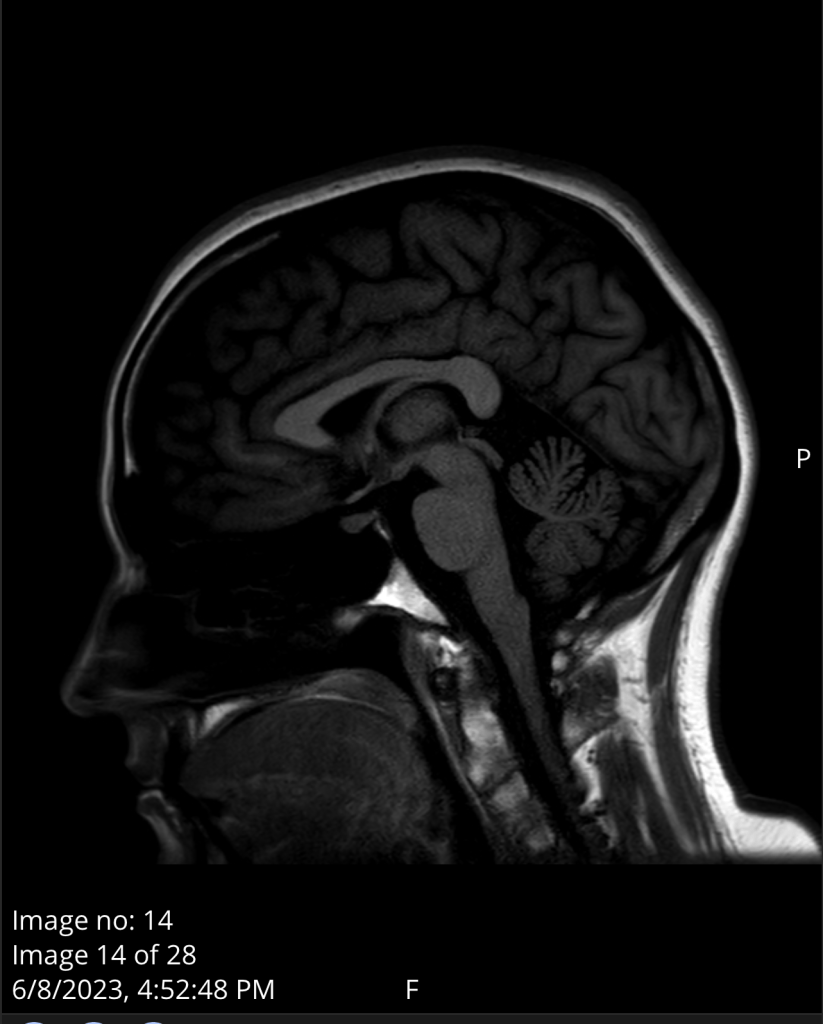
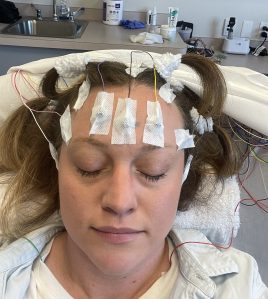
All the while, full body testing:
Gut, brain, lungs, heart.
No defects. No explanation.
Just a body in full shutdown.
A woman who’d held too much for too long.
It wasn’t lost on me that it happened on Mother’s Day.
A day meant to honor women like me, and my body was the one finally asking,
“When will someone save you?”
It felt like the universe was screaming what I had tried so hard not to hear.
Get out. Save yourself. Save your kids.
This wasn’t just a collapse.
It was the reckoning.
Survival mode doesn’t always look like panic.
Sometimes it looks like smiling while dissociating.
Driving places you don’t remember.
Needing to control the car just in case you need to escape.
Staying home because the world feels like a war zone.
Craving silence, not for rest, but because your nervous system can’t take one more sound.
Feeling emotions through your body, not your brain.
Chest pressure instead of sadness.
Gut drops instead of anxiety.
Living in constant tension but checking every box because productivity is your only lifeline.
It’s high-functioning.
It’s invisible.
And it’s not healthy.
I’m still in it, but I see it now.
And naming it is something.
I’m learning how to rest.
How to feel.
How to stop mistaking silence for safety.
How to process the guilt of trauma responses that bled into motherhood.
Healing didn’t begin with bravery.
It began with collapse.
With a 911 call.
With my body finally saying.
“This is not working. I need help.”
So, if you’re tired… tense… numb… disconnected…
This might be why.
It’s not just stress.
It’s not just “being a mom.”
It’s not a phase.
It’s survival.
And you do not have to stay there.
Next time: The Awakening.
The moment I named it all and the relief that followed.
 Ashes & Ink